Ryabinushka — a targeted charitable-aid platform built with Wildberries and Ozon
A pilot project built from scratch, connecting social institutions and donors through the familiar marketplace model. The idea: instead of asking someone to simply donate money, give them the chance to buy a specific item for a specific institution. The money and delivery run directly through the marketplaces — Wildberries and Ozon. Ryabinushka acts as the storefront, the navigator and the mechanism for targeted help.
The project has been running in a closed pilot since late 2022, so product metrics are still under NDA. Every institution is added through official verification and approval, not self-registration: behind each number is a vetted institutional procedure. So 1200+ institutions is the scale of a trusted network, built step by step.
The whole idea in a single action: not just transferring money, but buying a specific item for a specific institution — that's what makes the help clear and targeted.
Role and objectives
The project didn't exist yet — everything had to be built at once: the product model for targeted aid, the user experience with flows for choosing, buying and tracking help, the brand and visual language of a new service, the communication that explains why the platform can be trusted — and the team I assembled and led for all of it.
The hardest part wasn't the interface: it was bringing two competitors' teams — Wildberries and Ozon — around a single product, teams that didn't even interact with each other.
The pilot launched from scratch with no ready-made structure, so I ran it in three roles at once and built a team around each. As product manager I shaped the product model, priorities and flows; as lead product designer I designed the information architecture, user journeys and interfaces; as design director I created the visual identity, communication and a unified design language for the product.
Working with the teams
Wildberries and Ozon are direct competitors, so there were no joint meetings: each side worked on its own and was responsible only for its part of the software — the API of its own marketplace. Bringing both integrations together into a single product was the job of my project team — 28 people took part in the project overall, including specialists from Wildberries and Ozon.
I became the single point of assembly. I ran meetings and correspondence separately with each side — through dedicated Wildberries and Ozon chats and several shared channels for participants at different levels. I worked not only with the development teams but also with the top management of both marketplaces and the head of the Ryabinushka platform. I kept everyone aligned on a single product vision and made sure two parallel builds came together into one coherent service — not a "Wildberries version" and an "Ozon version".
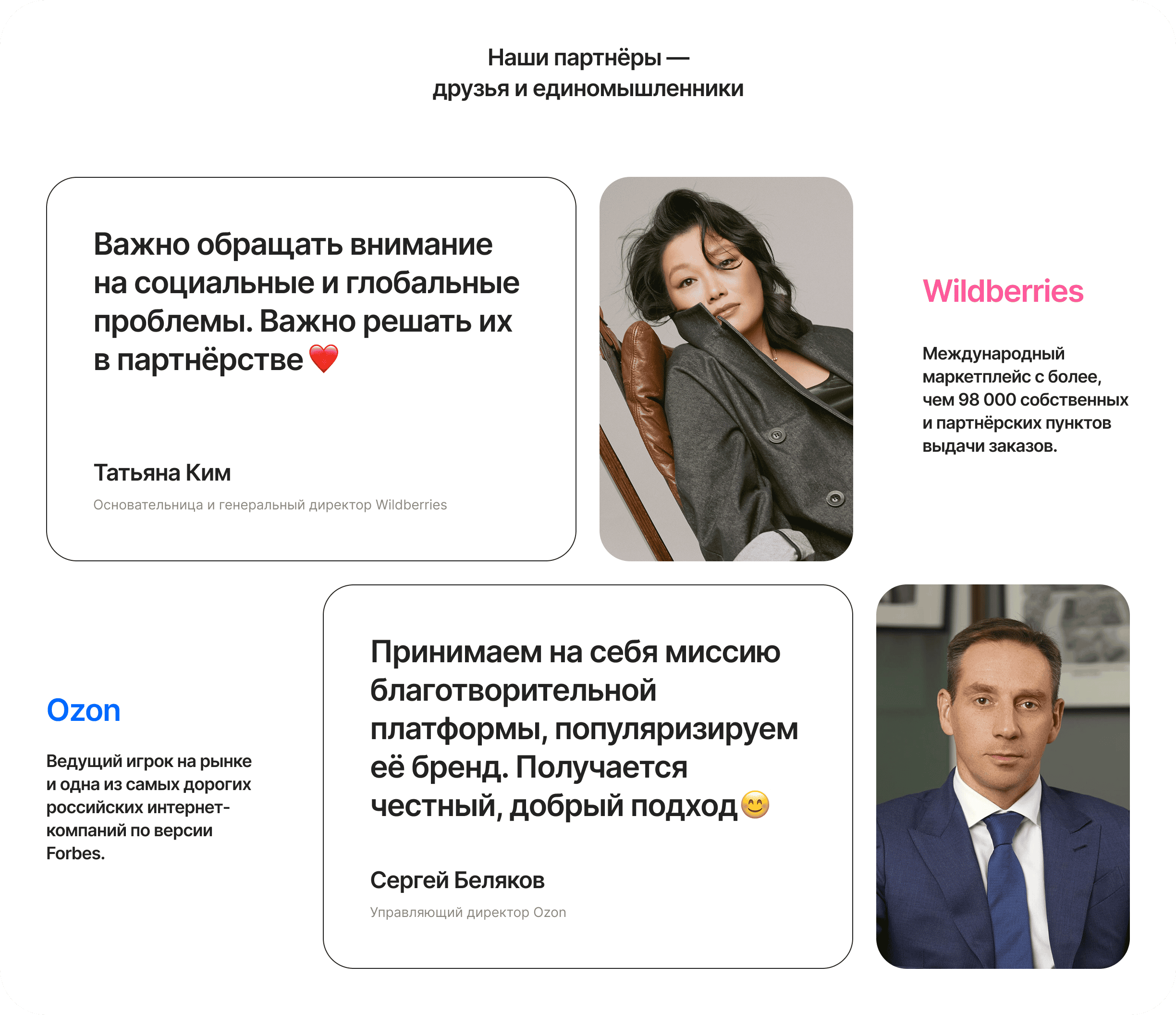
The very participation of Wildberries and Ozon — direct competitors and the country's largest marketplaces — is a signal of trust in the platform: companies of that scale don't invest resources and their brand in projects they don't believe in.
The product solution
Traditional donations have a weak spot: a person gives money but has little idea what happens next. We decided to make charity as clear as an ordinary purchase.
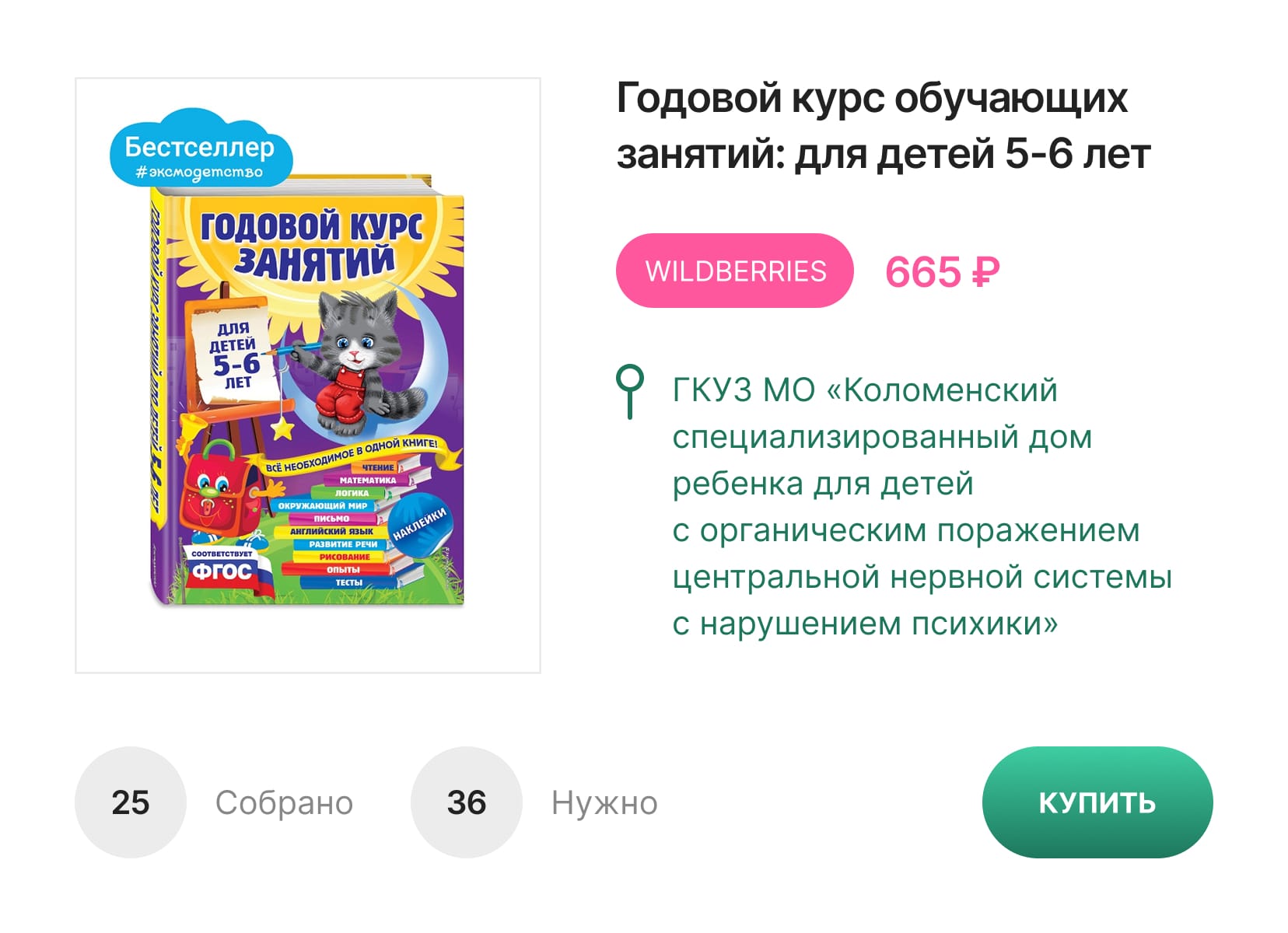
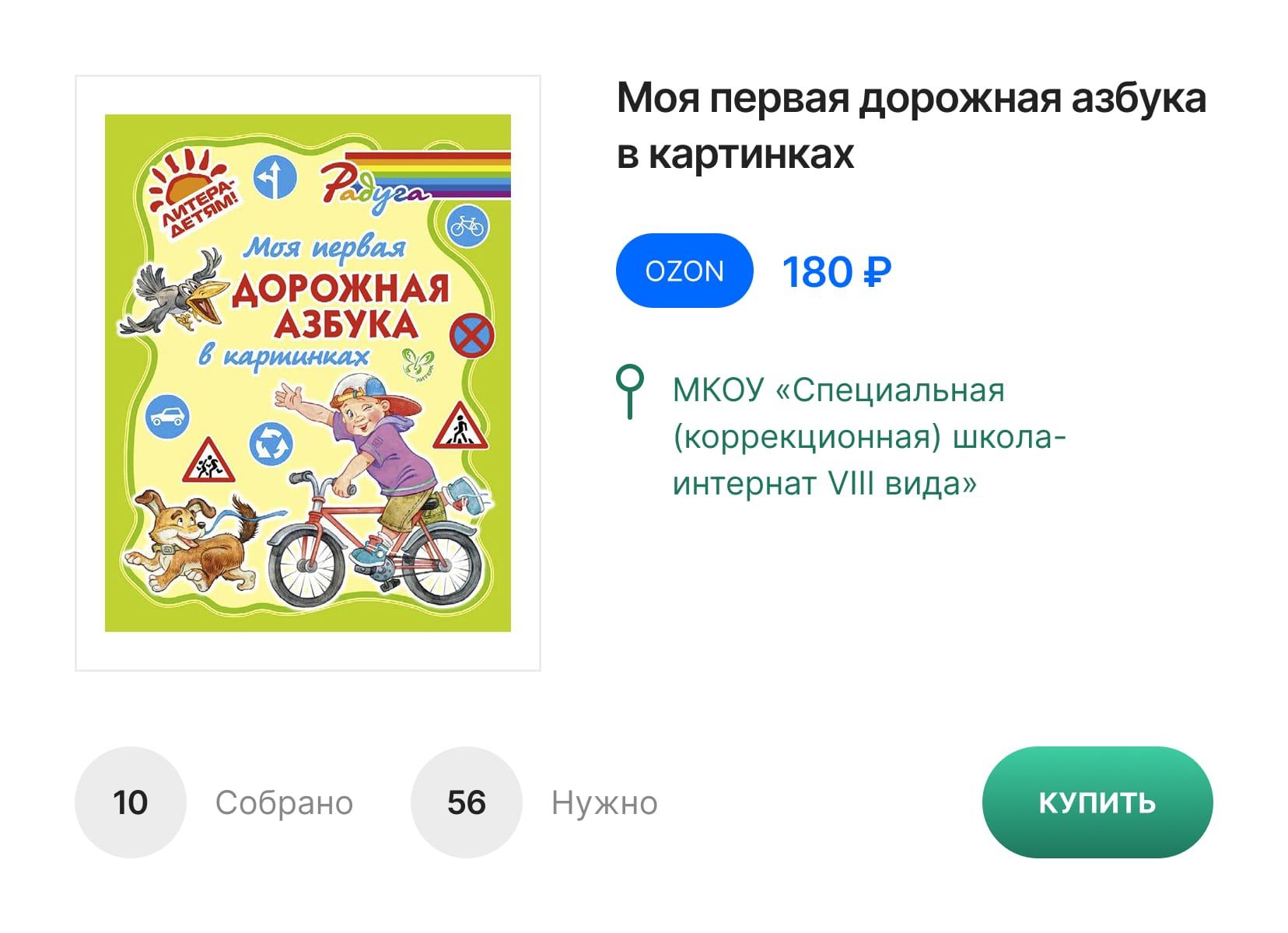
Instead of an abstract "donate 500 ₽", a person takes a concrete action: helping a specific institution receive a specific item.
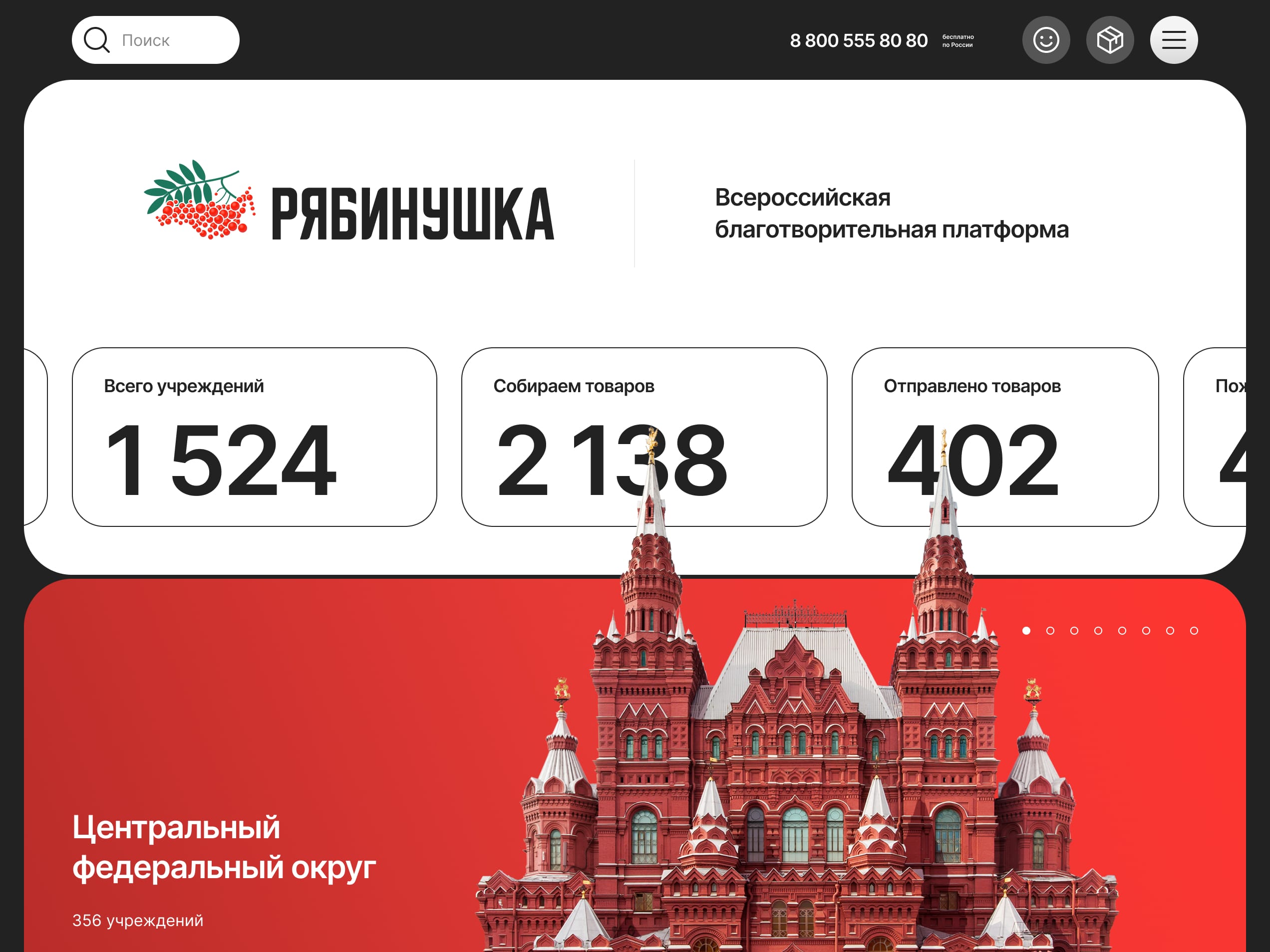
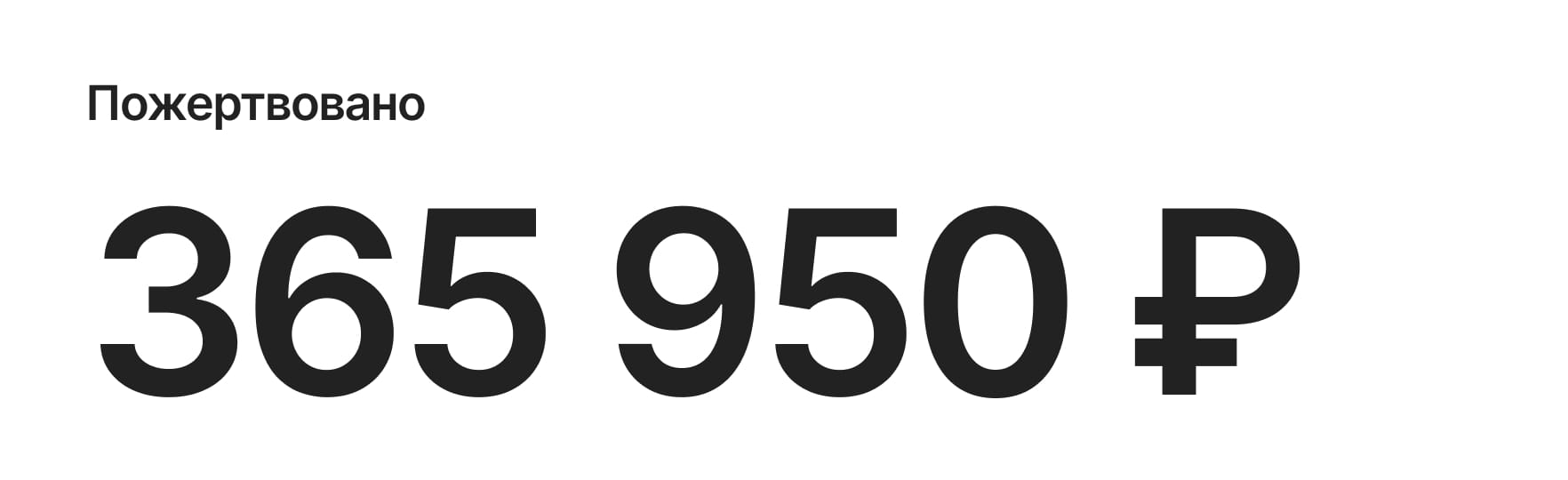
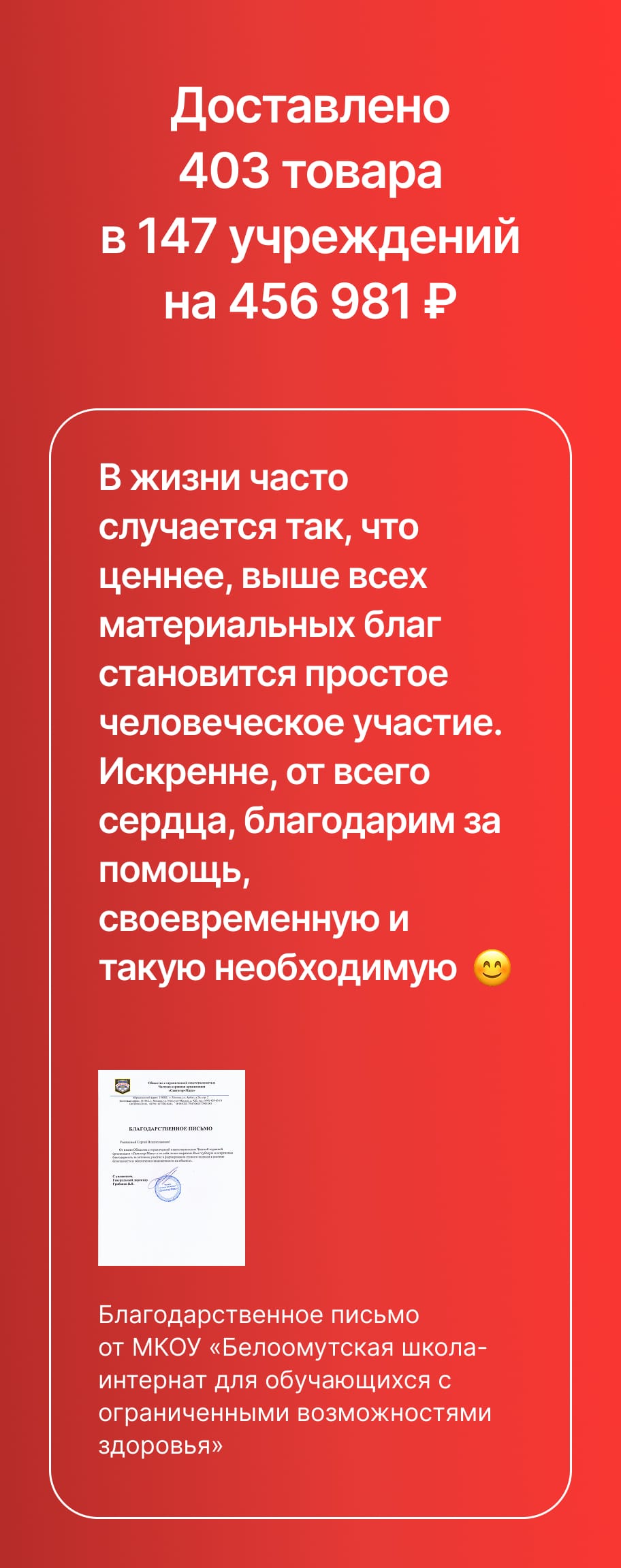
On the home screen, a running ticker of blocks shows a live summary: how many institutions are on the platform, how many items we're collecting right now, how much has already been sent and for what amount. The platform's key numbers are always in view.
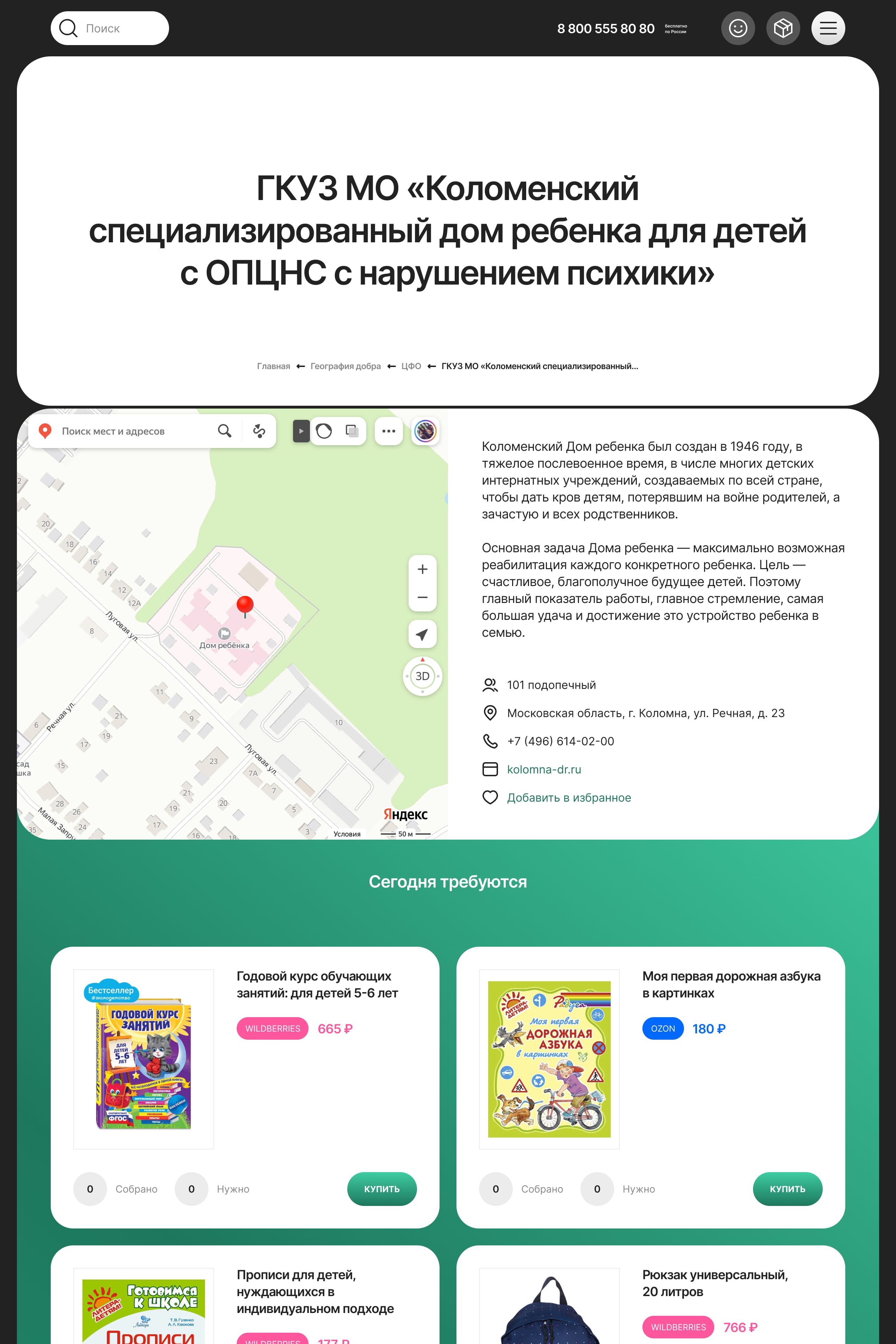
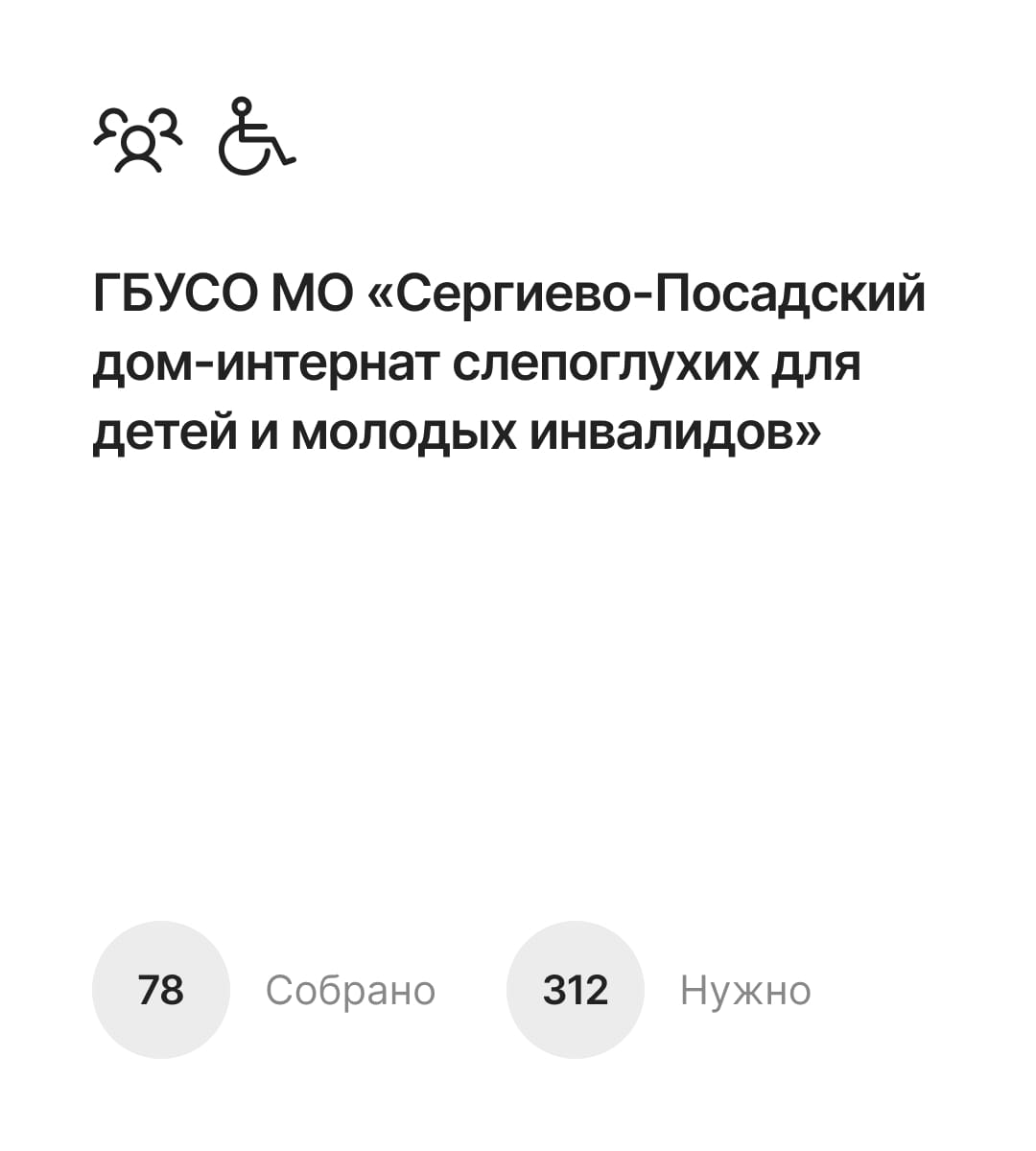
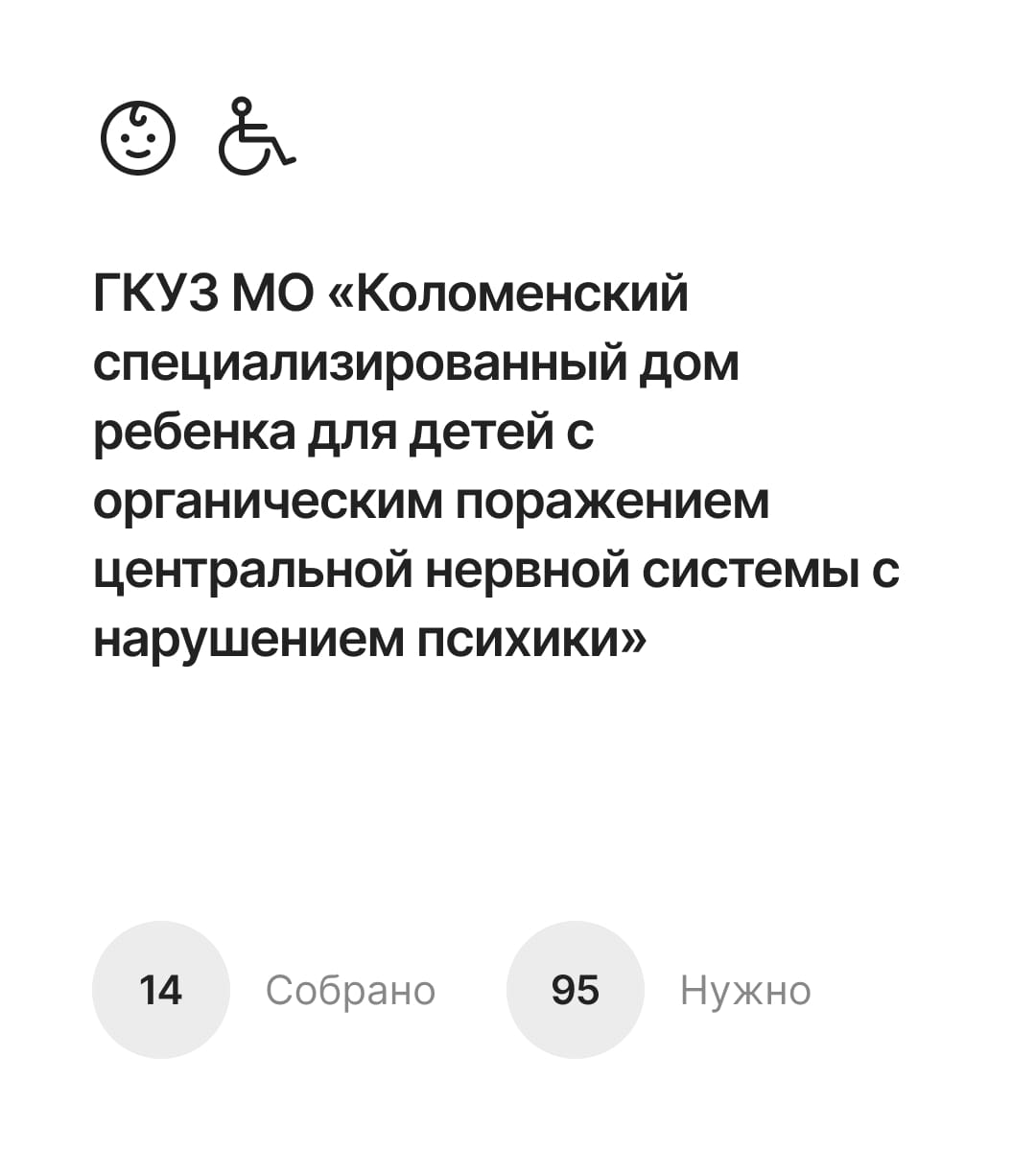
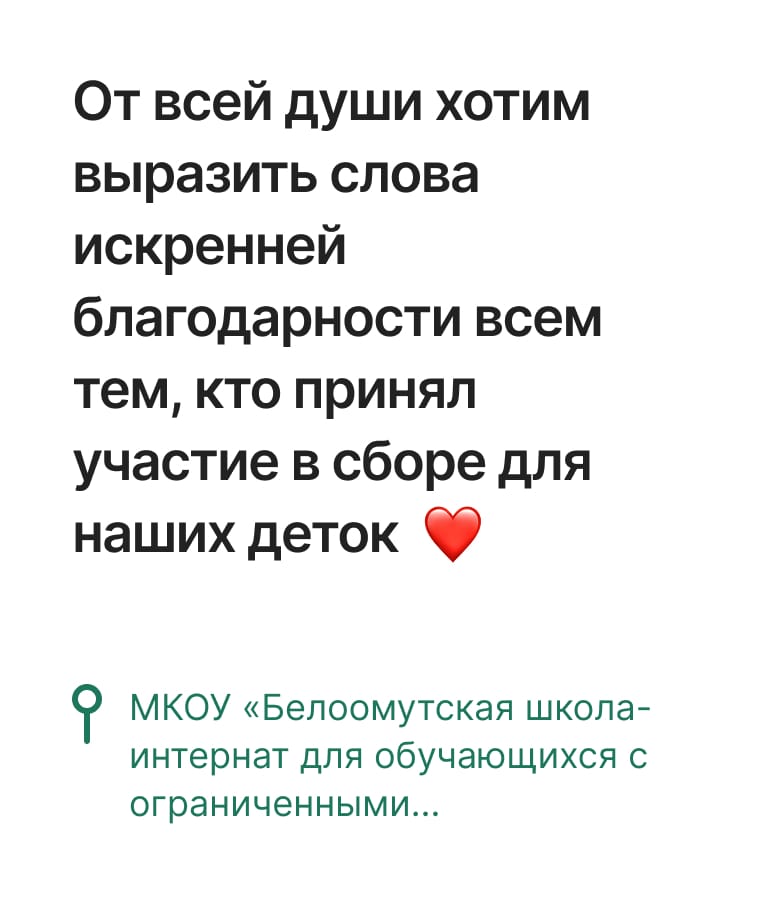
Every institution in the project is real. All of its data is published openly: location, contacts, description and current needs. Anyone can get in touch directly and make sure the help reaches the right place.
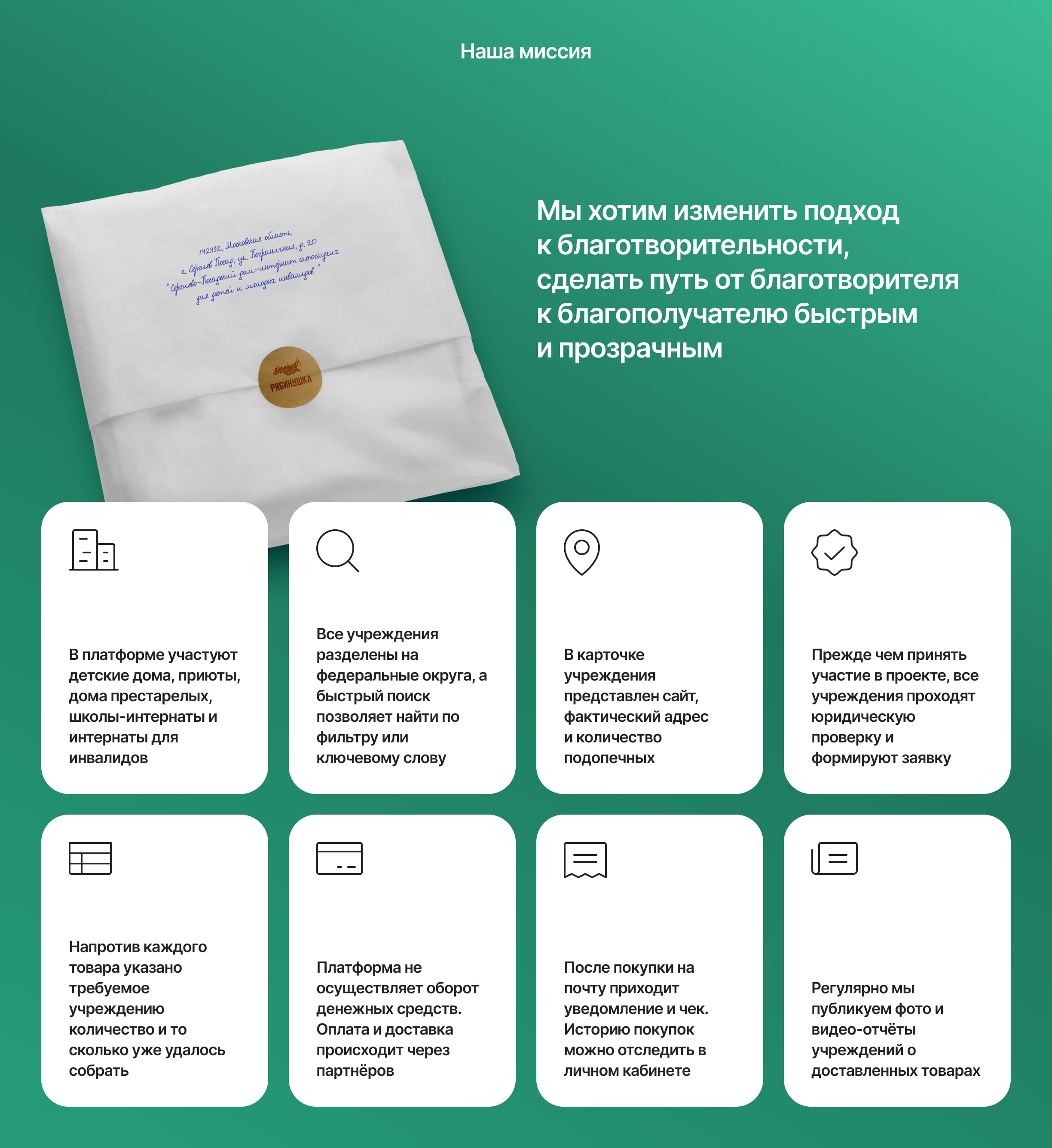
The goal: make the path as close as possible to a familiar online-shopping scenario while preserving the sense of targeted help.
Trust
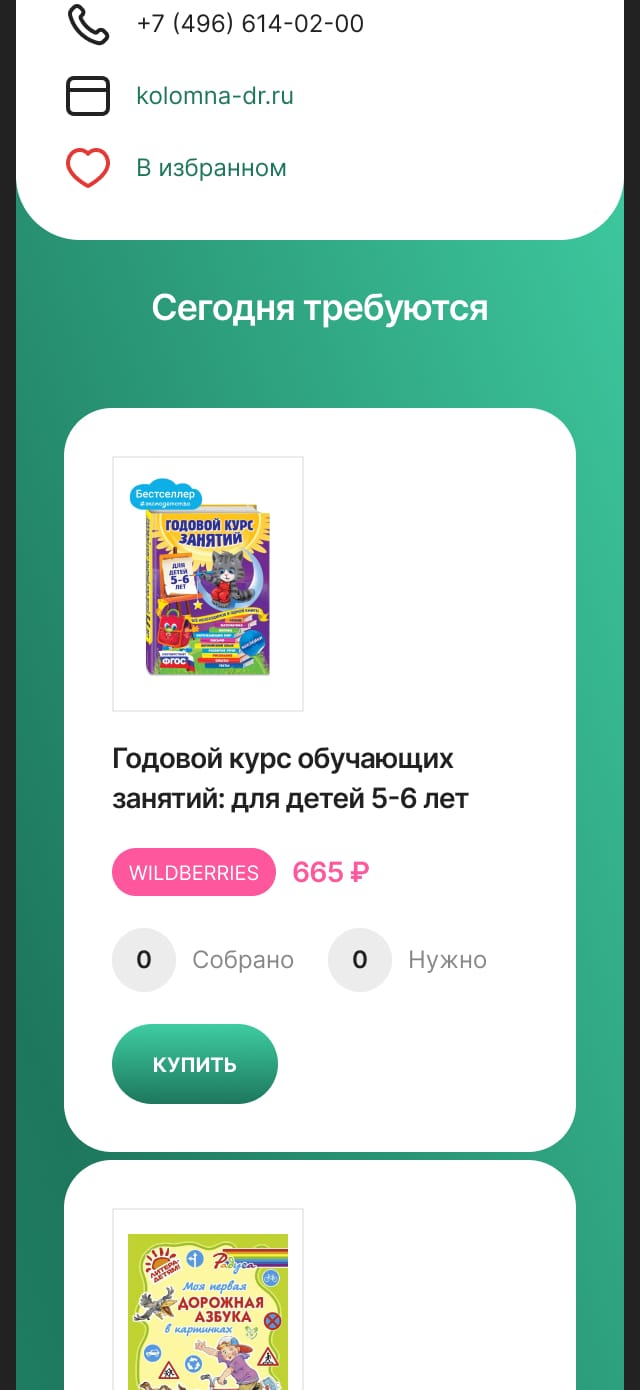
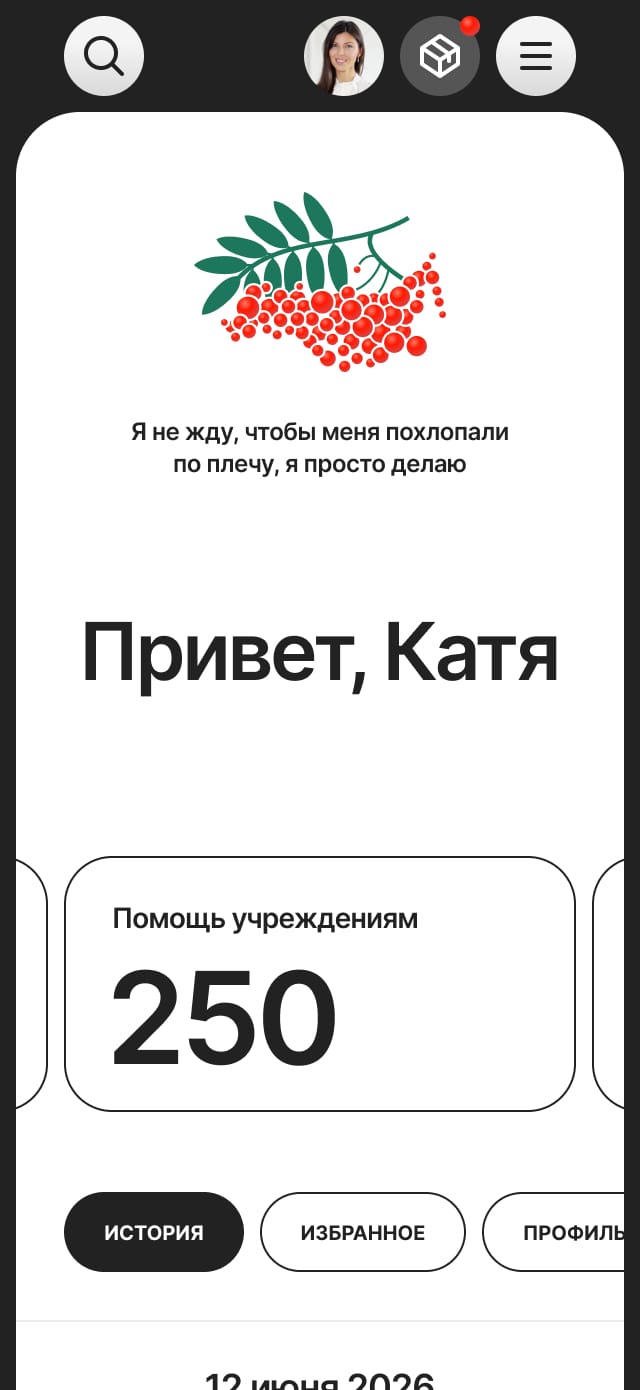
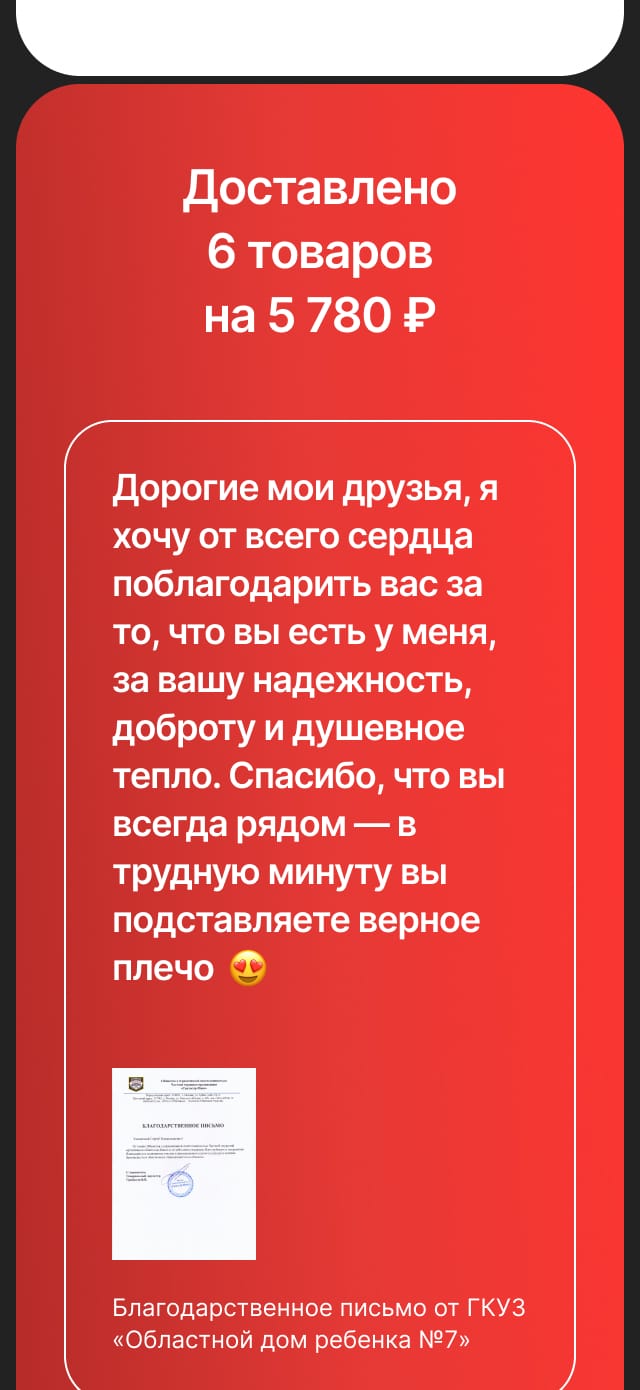
To make it easier to decide to help, the interface has to show not just the item but the context of the purchase — so transparency became part of the user experience. For every need, the user sees:
- who needs help;
- what exactly is needed;
- how many such items are needed;
- how many have already been bought;
- how payment works;
- what happens after the purchase;
- how receipt will be confirmed.
That's how an abstract donation turns into a clear user flow.
The catalogue
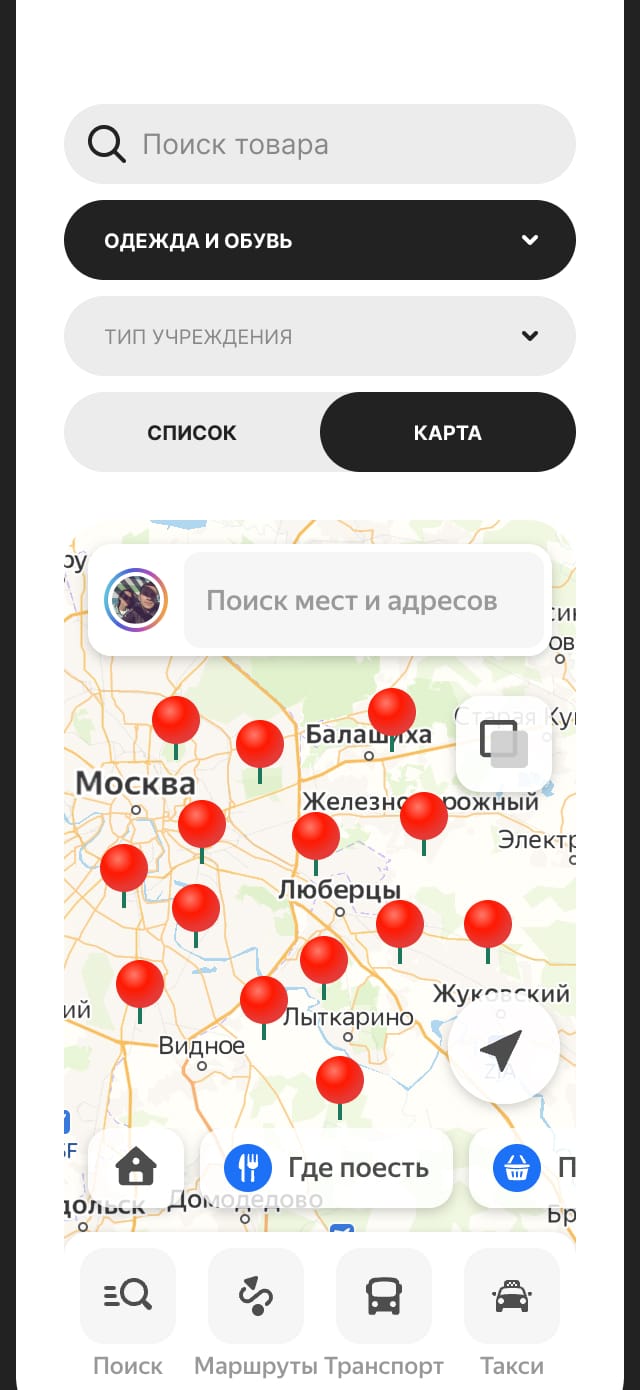
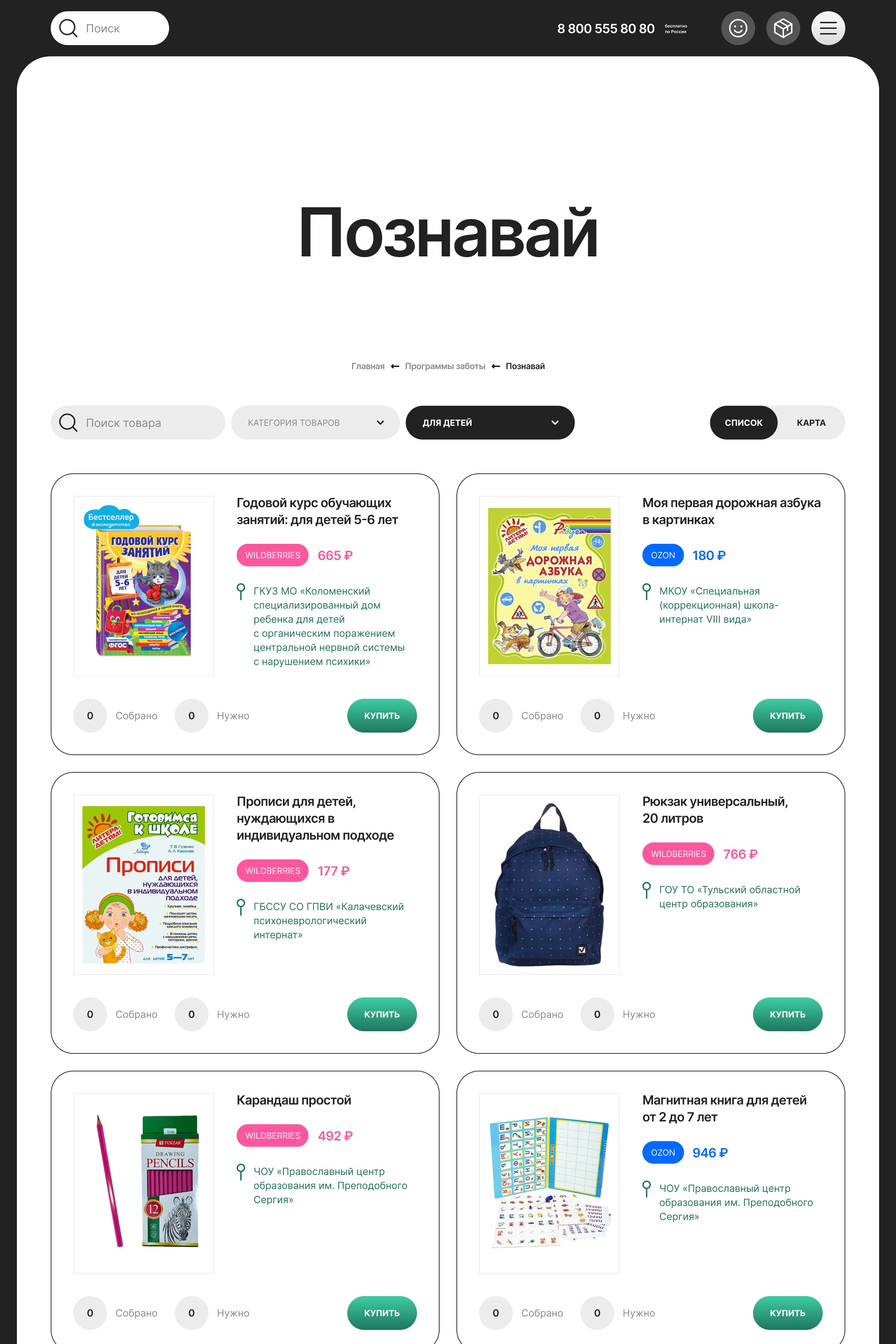
1200+ institutions can't be shown as one endless list. Cards are grouped by region and type, and inside each are specific needs lists.
So the catalogue had to answer two questions at once: "Who do I want to help?" and "What can I do?".
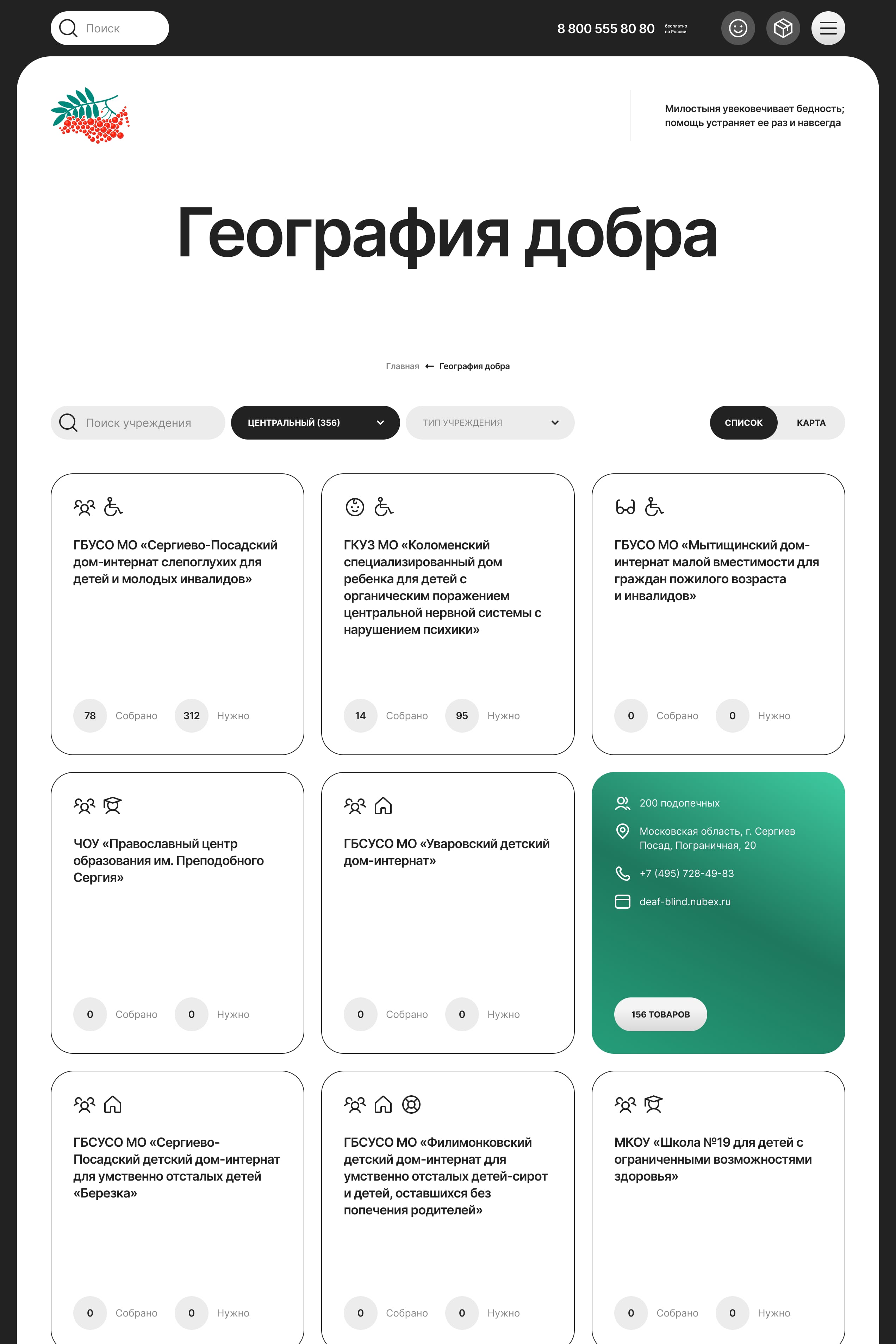
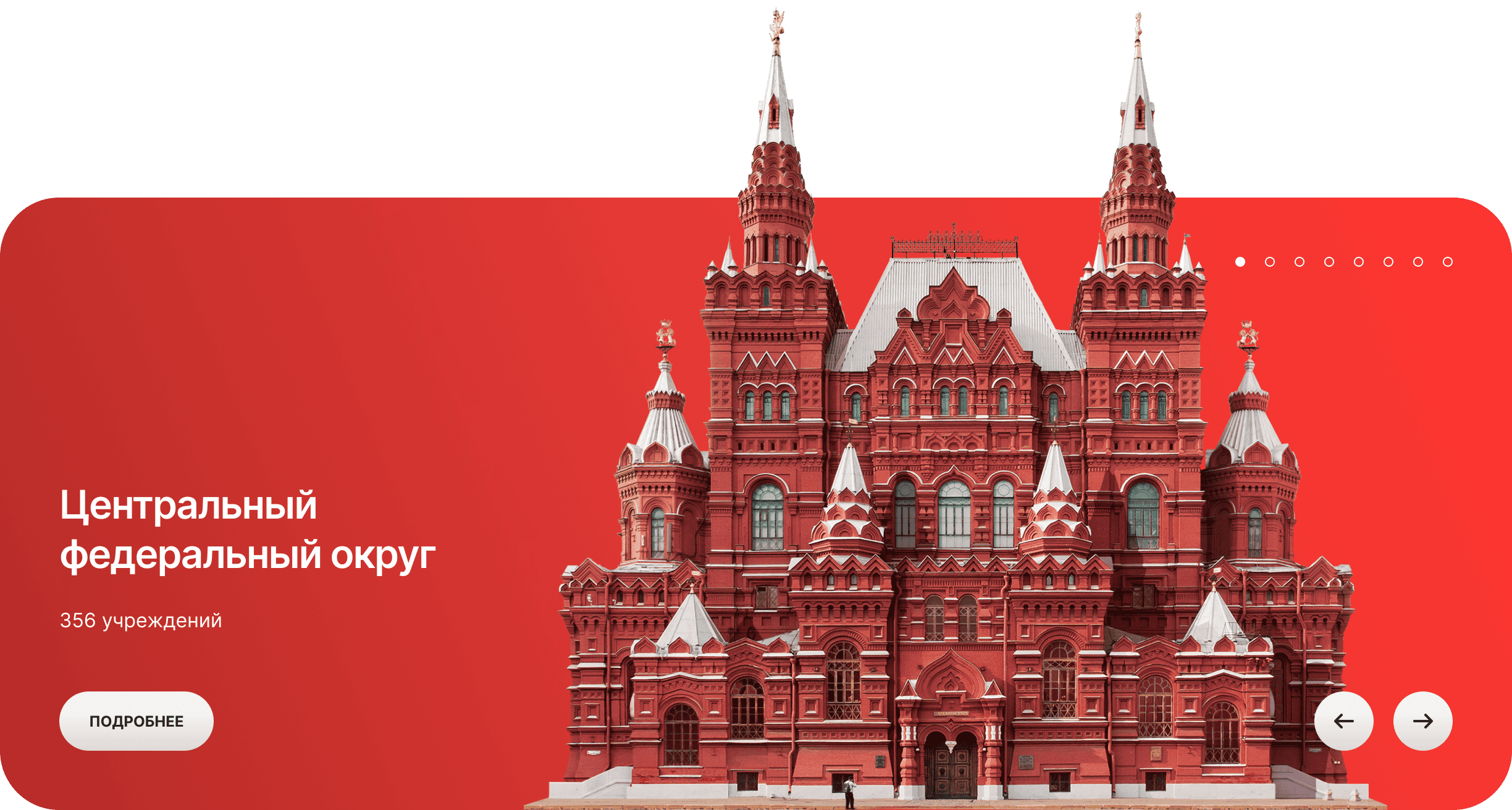
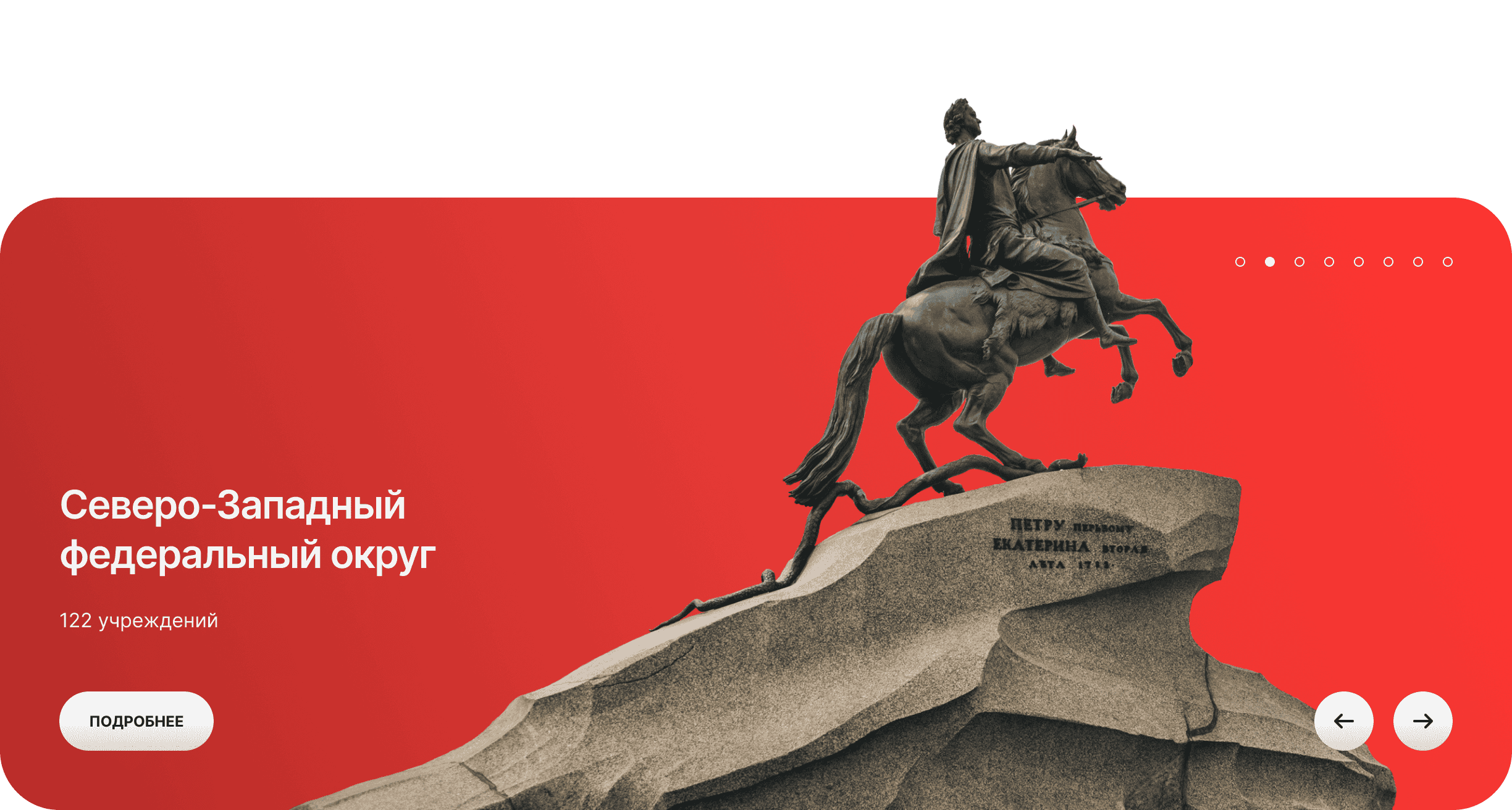
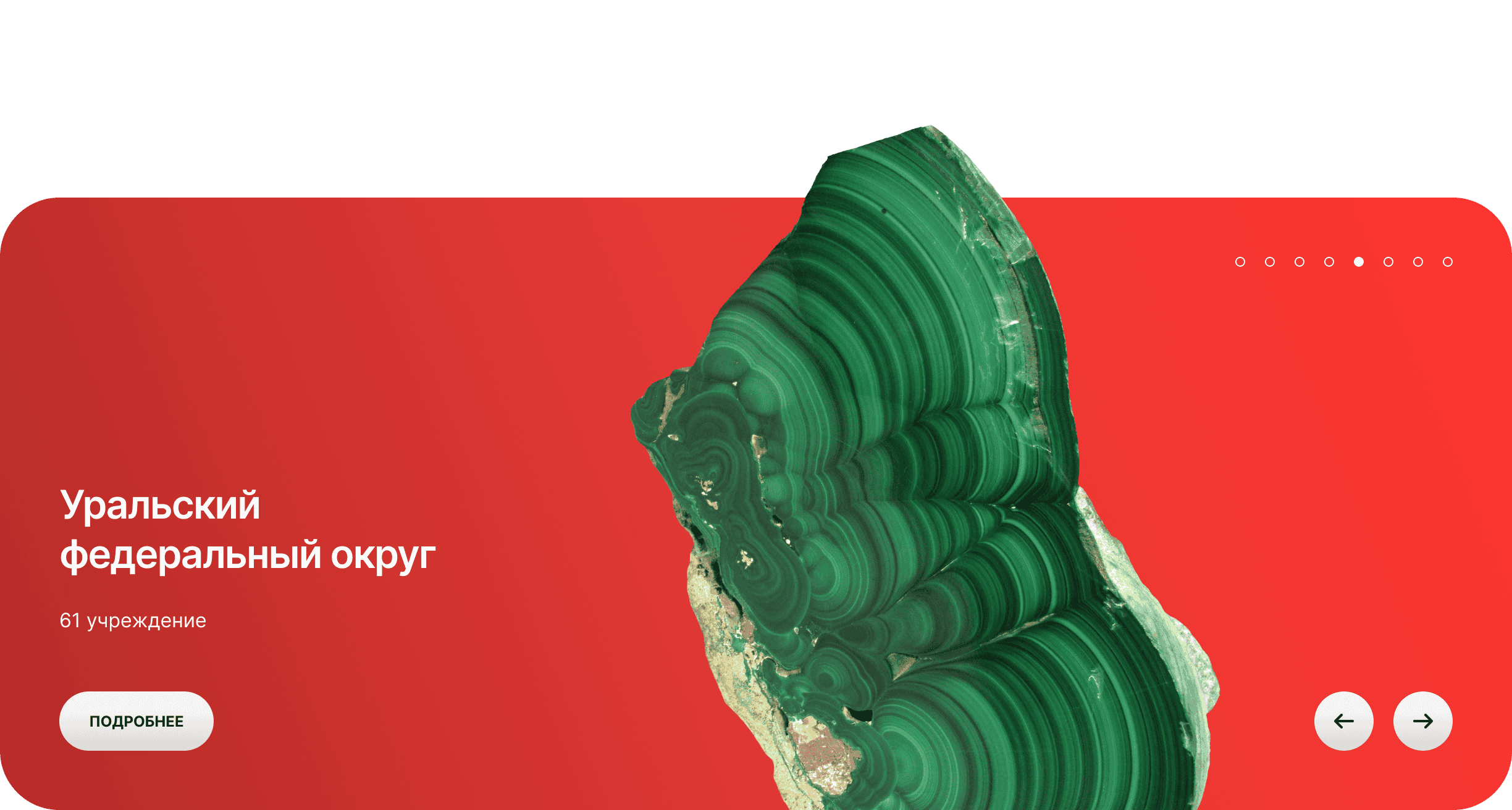
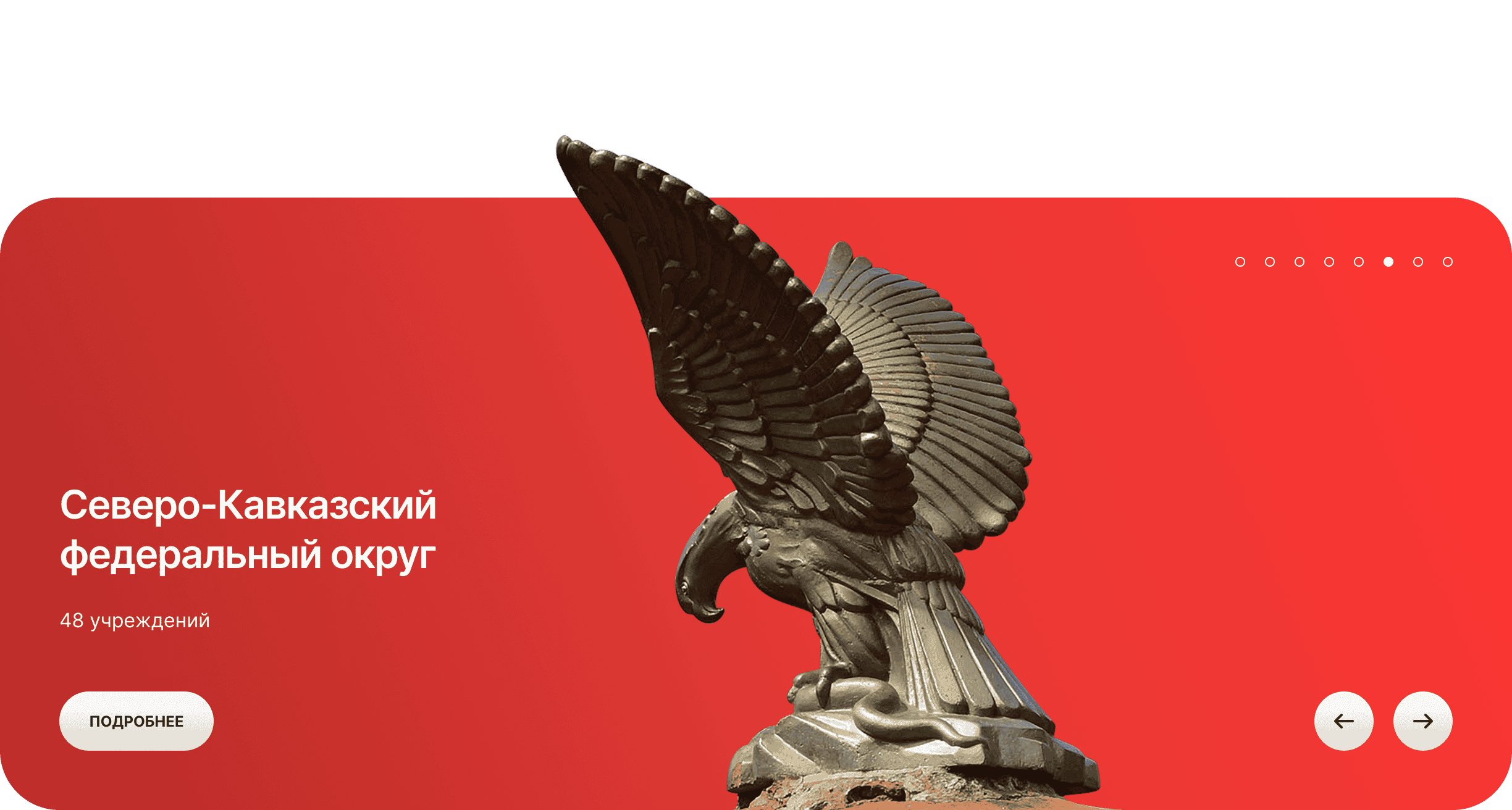
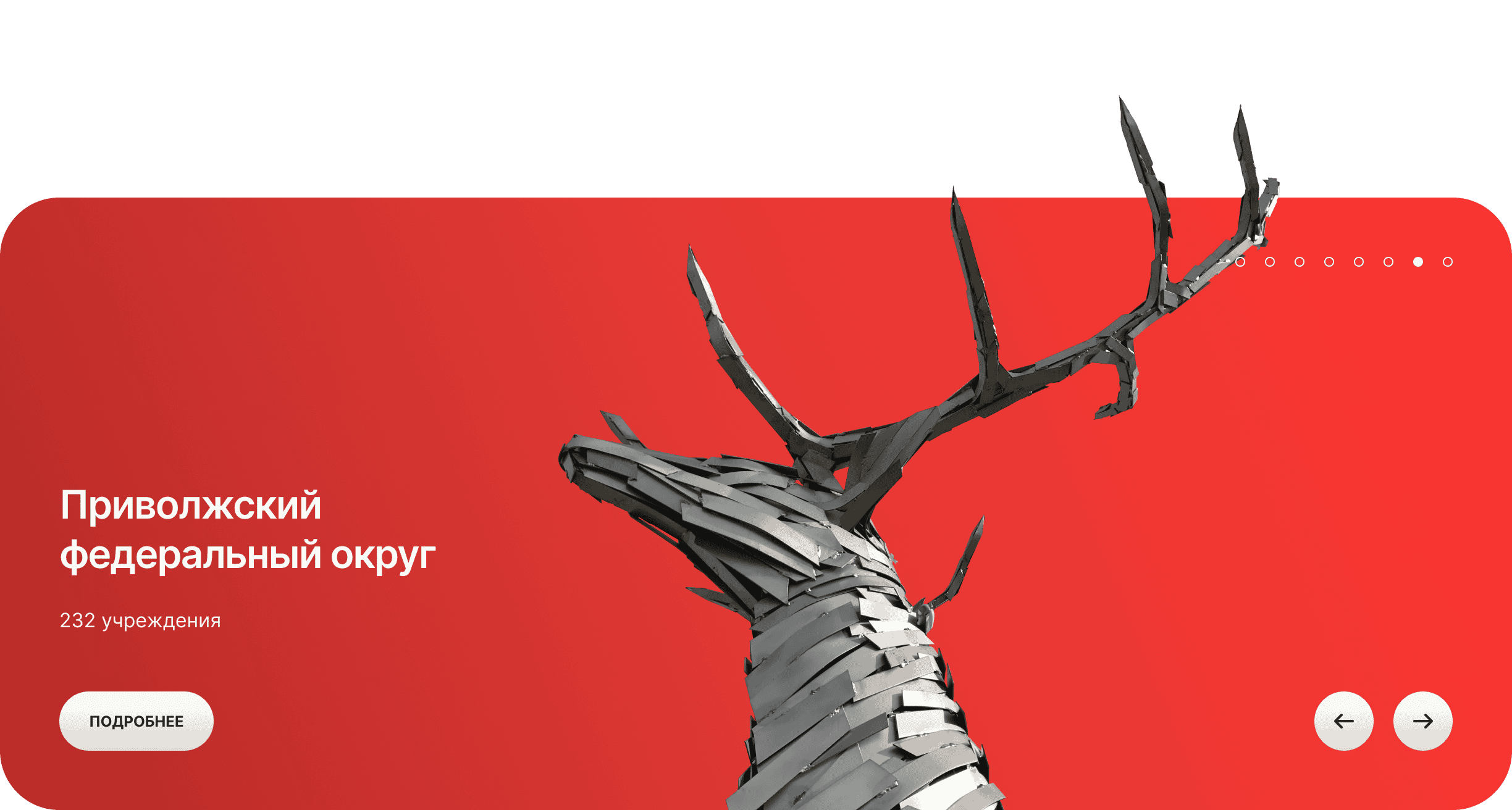
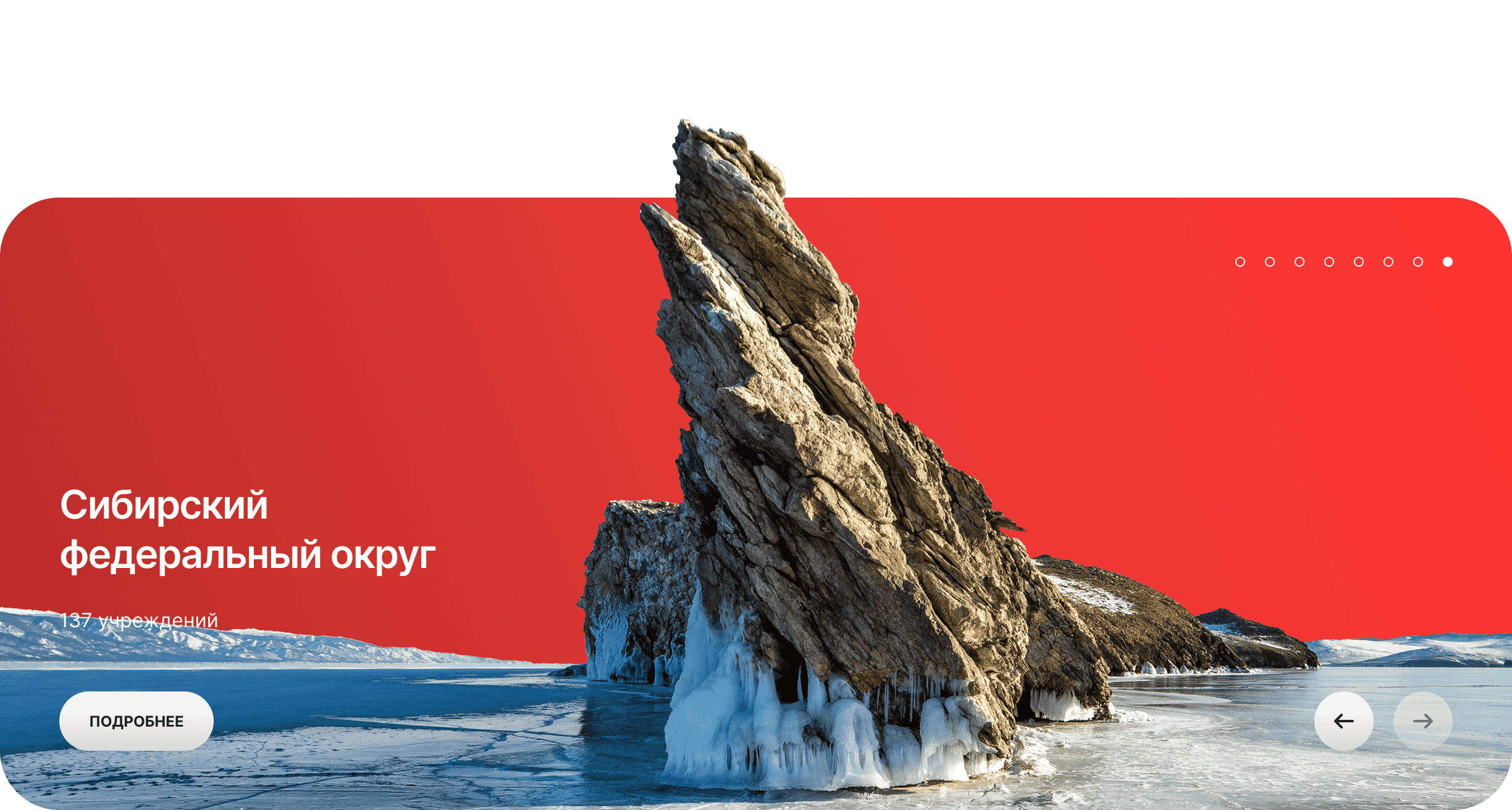
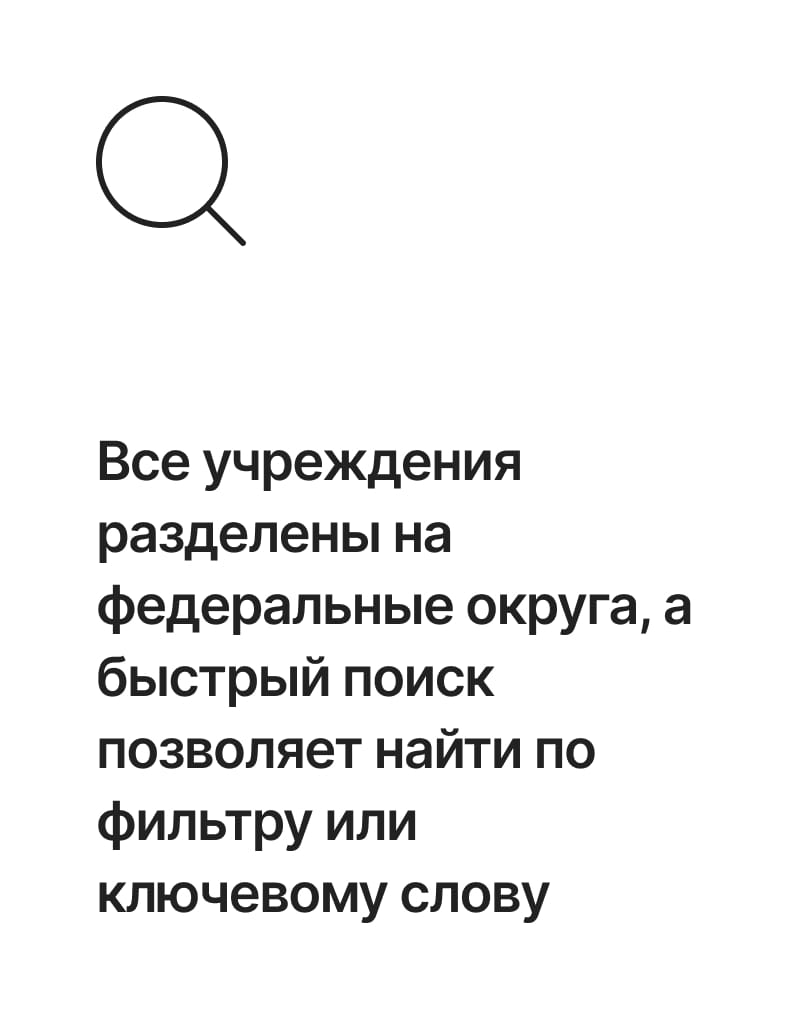
Institutions can be browsed two ways: as a list of cards or on a map. Both can be filtered by federal district and institution type — making it easier to find the ones you want to help.
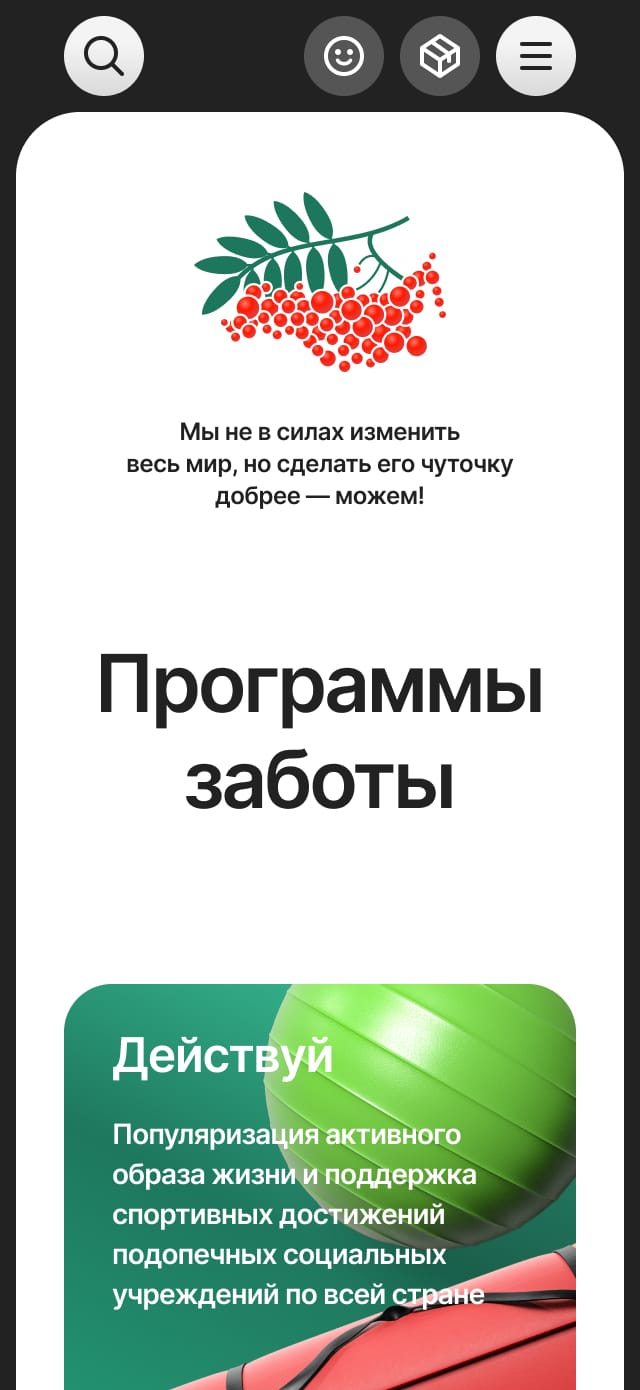
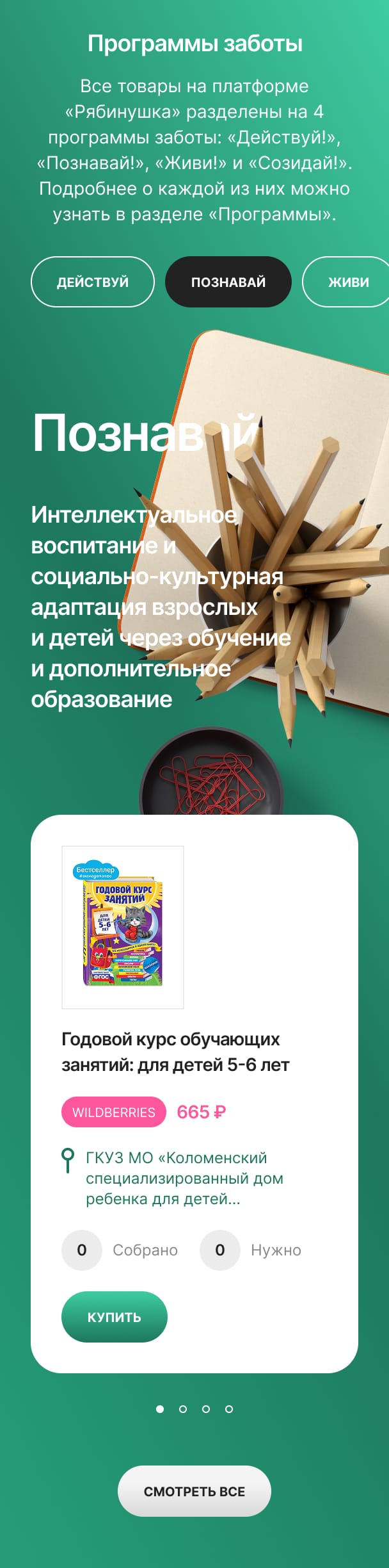
Four programmes of care
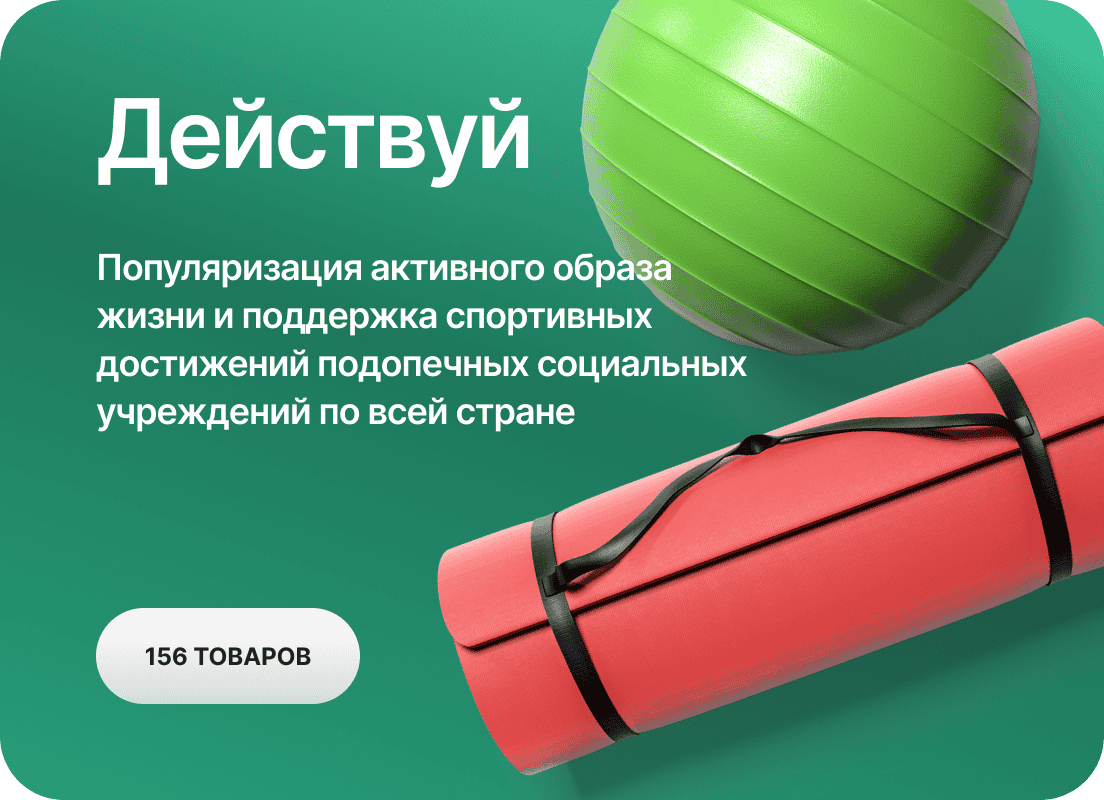
Help can take very different forms — from clothing and rehabilitation aids to sports equipment and craft materials. To move from thousands of scattered needs to a clear structure, I proposed four directions:
- Act — sport and an active lifestyle.
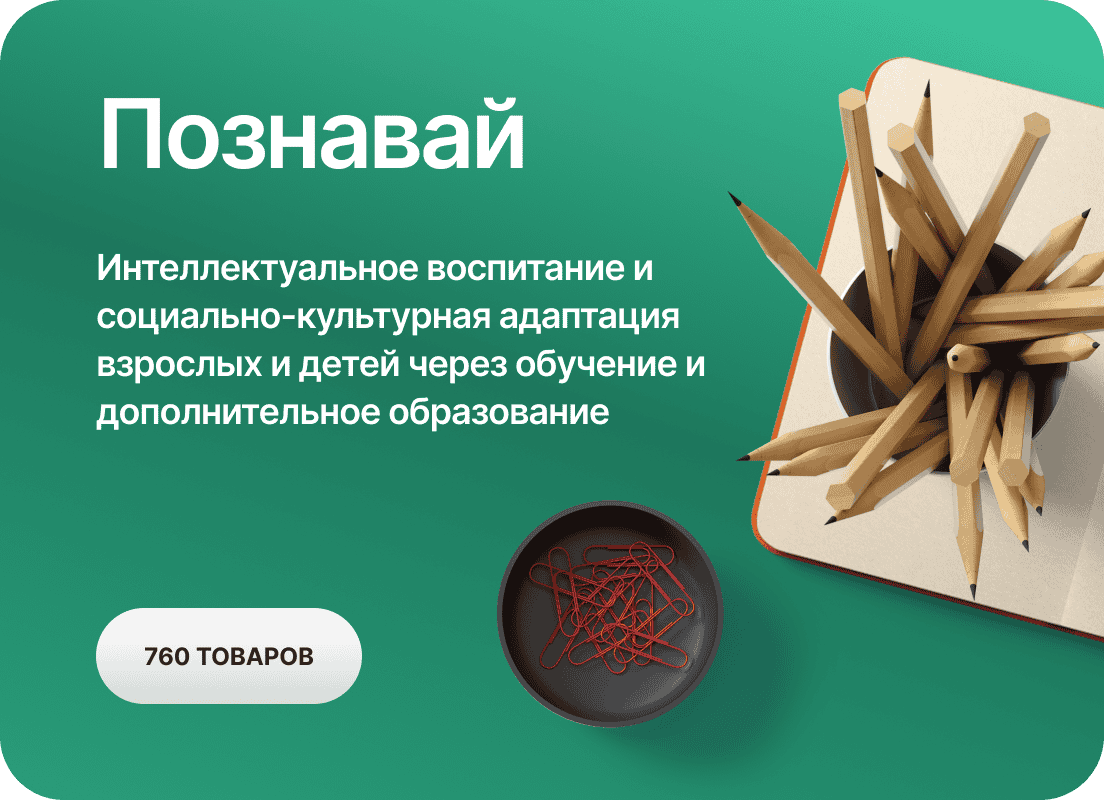
- Learn — training, education and social-cultural adaptation.
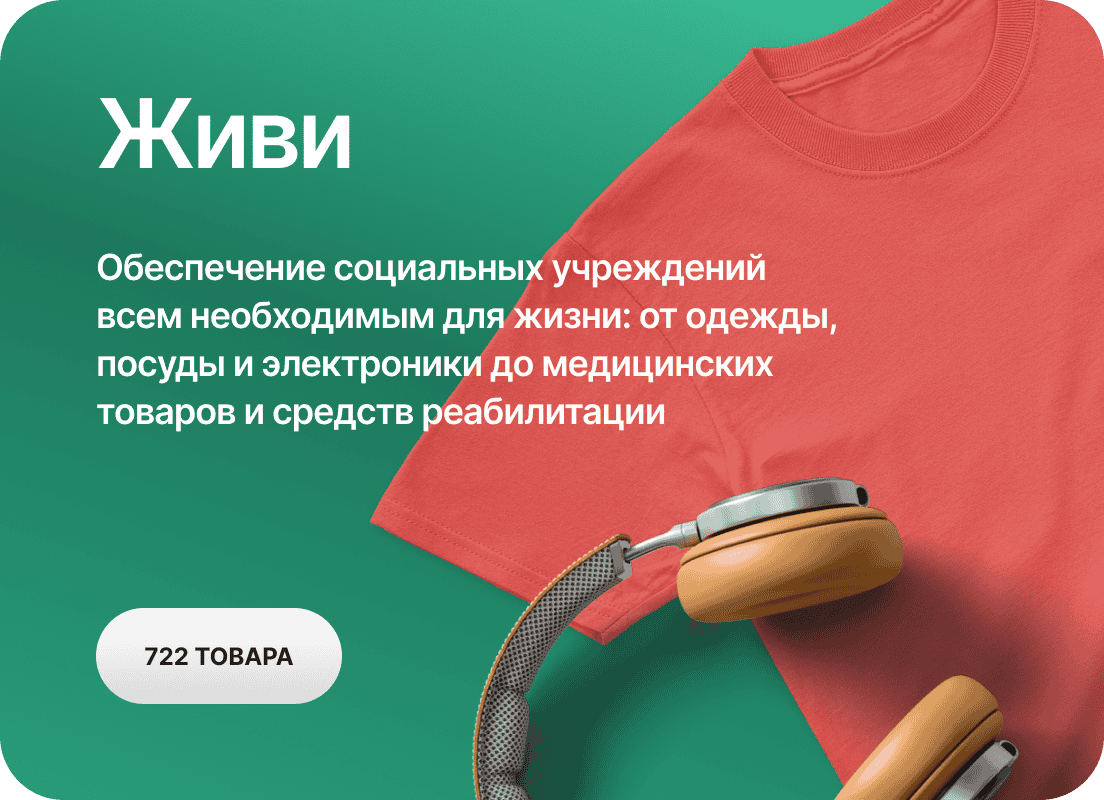
- Live — everything needed for everyday life.
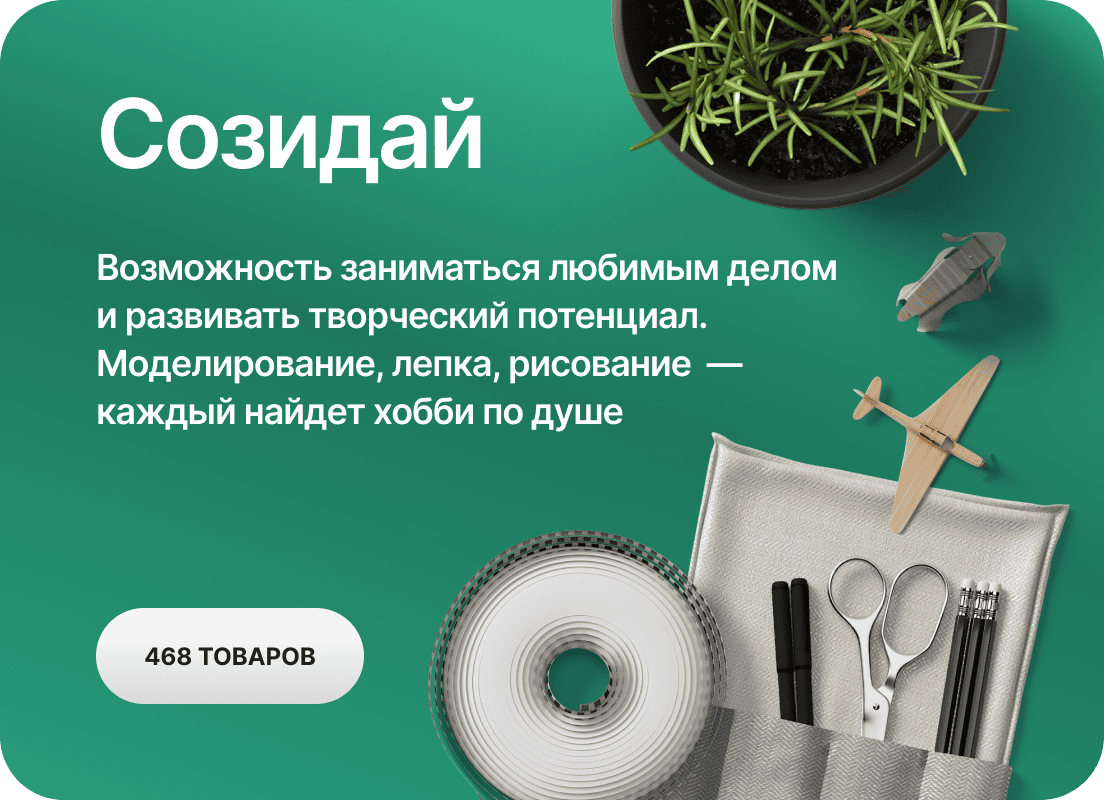
- Create — creativity, hobbies and development.
Design system
The brand had to speak about help while staying a modern digital product, rather than looking like a traditional charity foundation. I built the platform's visual language and design system from scratch: grid, typography, colour, iconography and a component library — from needs cards to payment flows and the personal account.
My team owned the design system: the marketplaces were responsible only for their software part — the API — while the unified interface, components and rules were assembled on our side. That's how one visual language sat on top of two independent integrations: the user sees a whole product, not the seam between Wildberries' and Ozon's systems.




Key decisions
Four forks that defined the product:
- Buying instead of donating. I replaced an abstract money transfer with a concrete action — buying a needed item for a specific institution. That removed the main barrier of trust.
- Transparency inside the flow. Who needs what and how much, how much has already been bought, what happens after the purchase — I put it into the process itself, not into a separate "about us" section.
- Four programmes of care instead of thousands of scattered needs. I reduced the chaos of needs to a structure a person can navigate in seconds.
- One visual language on top of two integrations. I designed a single design system and assembly model so the user sees a whole product, not the seam between two platforms.
Scale and trust
social institutions across the country connected to the platform.
needs lists published by institutions — from everyday essentials to equipment for development.
direct competitors, Wildberries and Ozon, dedicated teams to a single social product for the first time — a strong signal of trust in the idea.
product and design roles — product manager, lead product designer and design director — I held all three.